Why Manual Calorie Tracking Fails (And How AI Fixes It)
The real problem is that manual tracking is so time-consuming and frustrating that almost no one sticks with it long enough to see results.

Ajay Rathore
January 10, 2026 • 6 min read
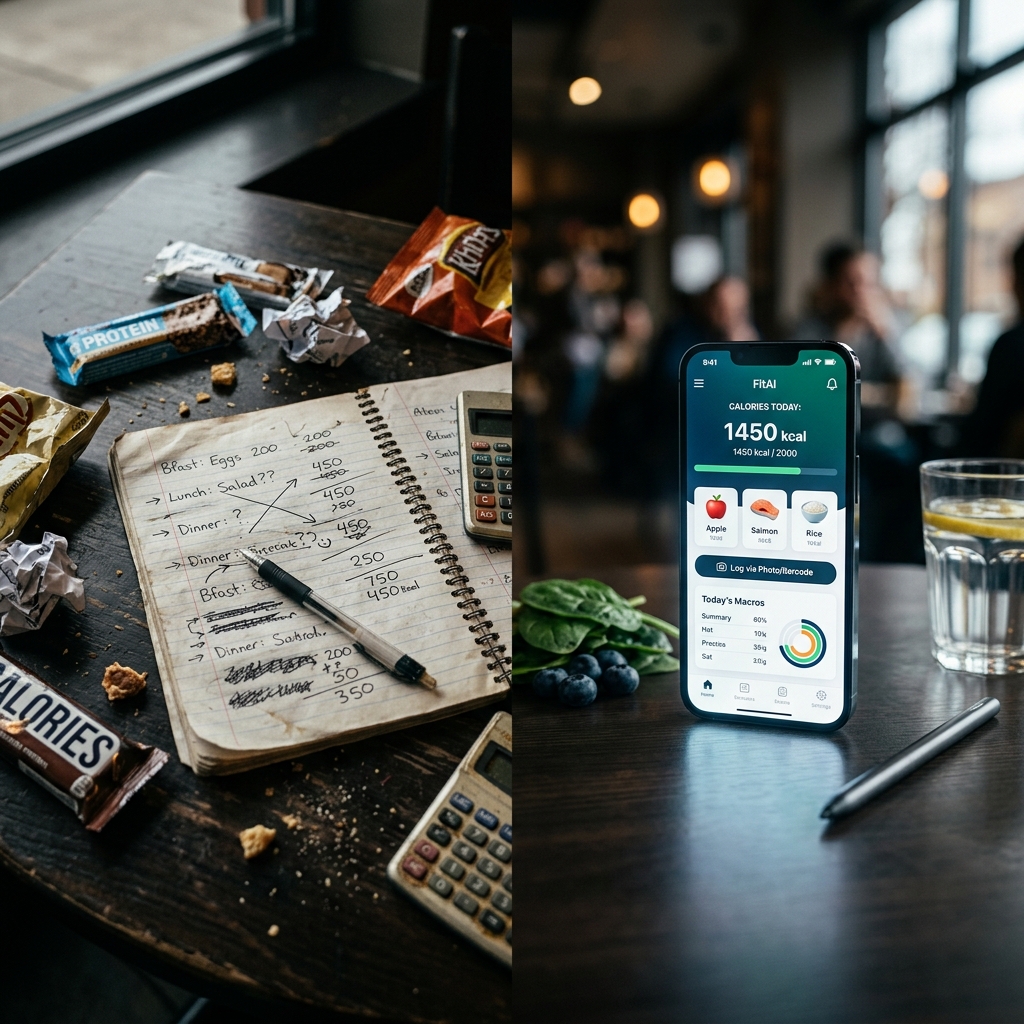
Most people already know calorie tracking works. The real problem is that manual tracking is so time-consuming and frustrating that almost no one sticks with it long enough to see results.
This article breaks down the exact reasons why manual calorie logging fails — and how AI-powered automated tracking (like Nutraize) eliminates the pain.
1. Manual Tracking Takes Too Long
This is the biggest and most universal issue.
To log a simple meal in most apps, you need to:
- Search for a food
- Pick from 20 similar entries
- Add serving sizes
- Adjust portions manually
- Repeat for EVERY item
Tracking a homemade thali with rice + dal + sabzi + roti easily becomes a 5–10 minute chore.
People can do it for a week. Maybe two. But eventually, the friction wins — and they quit.
How AI Fixes This
AI food recognition lets you:
- take a photo
- let the system identify food automatically
- get calories instantly
From 10 minutes → 3 seconds.
No typing, no searching, no guessing. This single change improves consistency more than anything else.
2. Portion Estimation Is Almost Always Wrong
Most people underestimate their food by 20–40%, especially:
- rice
- pasta
- sugar-rich foods
- oils
- dal
- curries
- snacks
Even experienced dieters misjudge portion sizes because human eyes are terrible at estimating volume.
How AI Fixes This
AI uses visual cues to estimate:
- area
- volume
- density
- plate reference size
- bowl dimensions
Instead of random guessing, it calculates portion sizes in a consistent, mathematical way, which leads to:
- fewer mistakes
- more accurate calorie counts
- fewer “mystery weight gains”
AI doesn’t get tired or biased — it estimates the same way every time.
3. Databases Are Too Big and Too Messy
Most tracking apps have 50,000–100,000 food entries. That sounds good… until you try searching for:
- “roti”
- “rice cooked”
- “paneer curry”
- “poha”
- “maggi”
You’ll see:
- duplicate entries
- wildly different calorie values
- incomplete data
- outdated entries
The result? Users spend more time searching than eating.
How AI Fixes This
Nutraize uses:
- a curated database
- real food photos
- region-specific updates
- standardized entries
- clean labeling
Instead of searching a huge list, AI picks the right item for you.
4. Homemade Food Is Almost Impossible to Track
Apps are built for:
- American foods
- packaged brands
- fast food
- chain restaurants
But people in India (and most of the world) eat:
- dal
- rice
- roti
- sabzi
- homemade curries
- paratha
- dosa
- idli
- poha
- chole
Try searching “homemade dal” in most apps — it’s a disaster.
How AI Fixes This
AI is trained on:
- Indian dishes
- mixed plates
- thalis
- home-cooked meals
- even messy plates with multiple items
It recognizes:
- dal
- sabzi
- chapati
- dosa
- idli
- biryani
- paneer
- fried snacks
…without needing perfect lighting or clean plating. For the first time, normal everyday meals become trackable.
5. People Forget to Log Meals
Most users track:
- breakfast
- sometimes lunch
- rarely dinner
- snacks almost never
That missing 20–40% ruins the entire calorie deficit.
Manual tracking requires discipline. AI tracking requires one thing: Snap a quick photo. It becomes part of your routine automatically.
6. Manual Tracking Feels Like Homework
People quit because tracking:
- slows down meals
- feels strict
- feels like a chore
- doesn’t fit into daily life
- is emotionally draining
This is why 90% of users stop within 2–3 weeks.
AI Fixes This by Removing the Mental Load
You don’t have to:
- search
- type
- guess
- measure
- adjust
- repeat
AI does the work for you in the background. Your brain stays free.
7. AI Helps You Stay Consistent (The Only Thing That Actually Matters)
Weight loss or muscle gain isn’t about:
- perfect calorie counting
- strict rules
- extreme accuracy
It’s about consistency.
Manual tracking kills consistency. AI tracking makes it almost effortless.
If it takes less than 5 seconds, you’ll do it. If it takes 10 minutes, you won’t — and that’s the whole problem. AI transforms calorie tracking into something you can actually stick with.
Final Thoughts
Manual calorie tracking was never the problem — the problem was the friction.
Nutraize exists to eliminate that friction using:
- AI image recognition
- portion estimation
- smart nutrition analysis
- fast logging
- personalized learning
The result? Calorie tracking you’ll actually stick with.
If tech can save you time, avoid mistakes, and make your fitness journey easier — why not use it?